Electric cars continue to gain popularity due to their efficiency, environmental friendliness and modern technology. In 2026, there are many models on the market that combine a significant range, high performance and comfort. Let’s consider the best electric cars that deserve attention.
Volkswagen ID.3
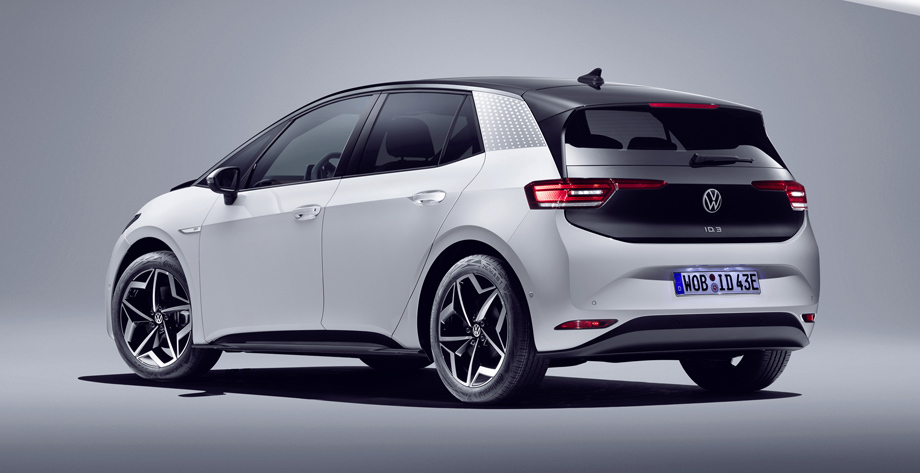
The Volkswagen ID.3 was one of the first mass-produced electric cars from the German concern and quickly gained popularity among drivers. The car received a modern design, a spacious interior and advanced electronic driver assistance systems.
Main characteristics:
- Battery capacity: 77 kWh
- Range: up to 550 km
- Power: 204 hp
- Torque: 310 Nm
- Maximum speed: 160 km/h
- Acceleration 0–100 km/h: 7.3 seconds
Hyundai Kona Electric
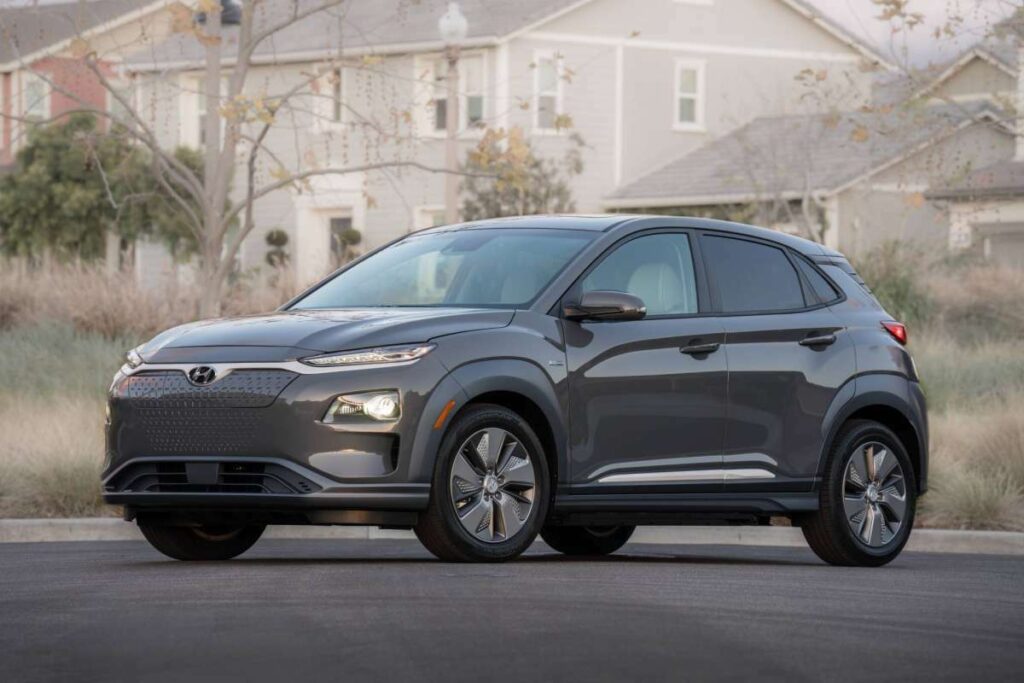
The Hyundai Kona Electric is a compact electric crossover that combines the stylish looks and reliability of the Korean manufacturer. The car is great for both city trips and long-distance trips.
Main characteristics:
- Battery capacity: 67 kWh
- Range: up to 484 km
- Power: 204 hp
- Torque: 395 Nm
- Maximum speed: 167 km/h
- Acceleration 0–100 km/h: 7.9 seconds
Nissan Ariya
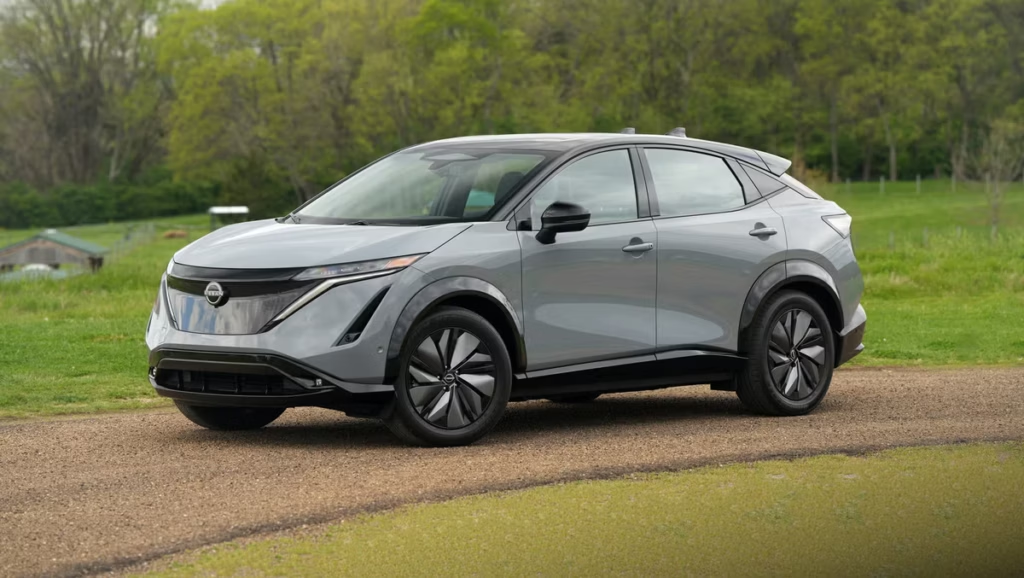
The Nissan Ariya is a modern electric crossover with a sporty character. The model is available in several versions with different batteries and powertrains, allowing you to choose the optimal configuration for your needs.
Main characteristics:
- Battery capacity: 63 or 87 kWh
- Range: 360–500 km
- Power: from 218 to 242 hp
- Torque: 300 Nm
- Maximum speed: 167 km/h
- Acceleration 0–100 km/h: 7.9 seconds
Audi e-tron
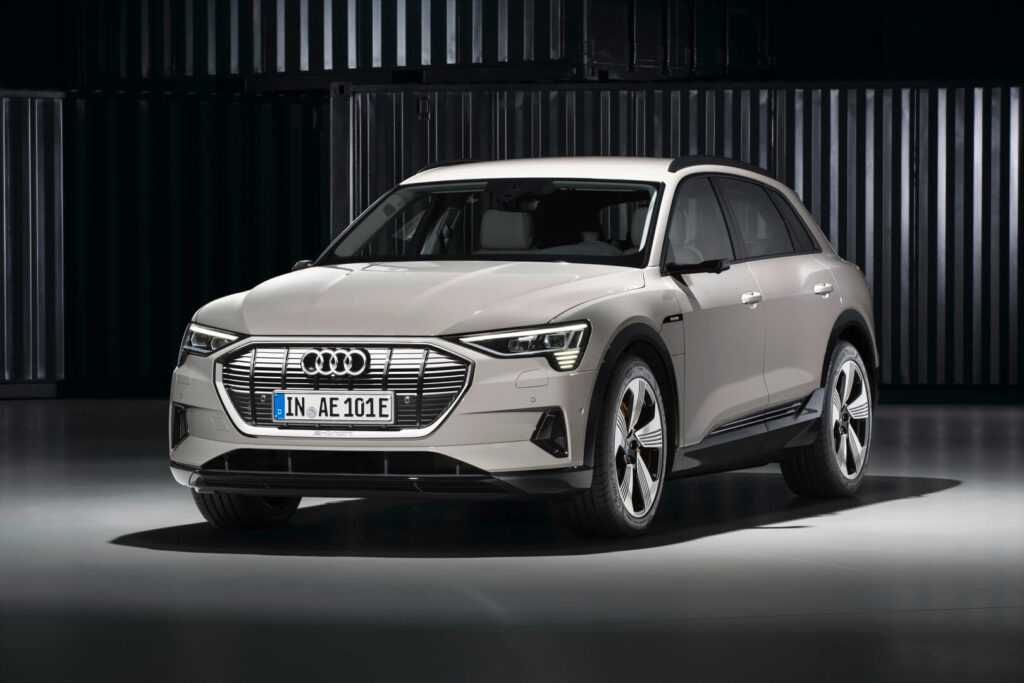
The Audi e-tron combines premium comfort, a high level of safety and a powerful electric powertrain. A spacious interior, high-quality materials and modern technologies make this electric car an excellent choice for those who appreciate comfort.
Main characteristics:
- Battery capacity: 95 kWh
- Range: up to 365 km
- Power: 408 hp
- Torque: 664 Nm
- Maximum speed: 160 km/h
- Acceleration 0–100 km/h: about 9 seconds
Tesla Model 3
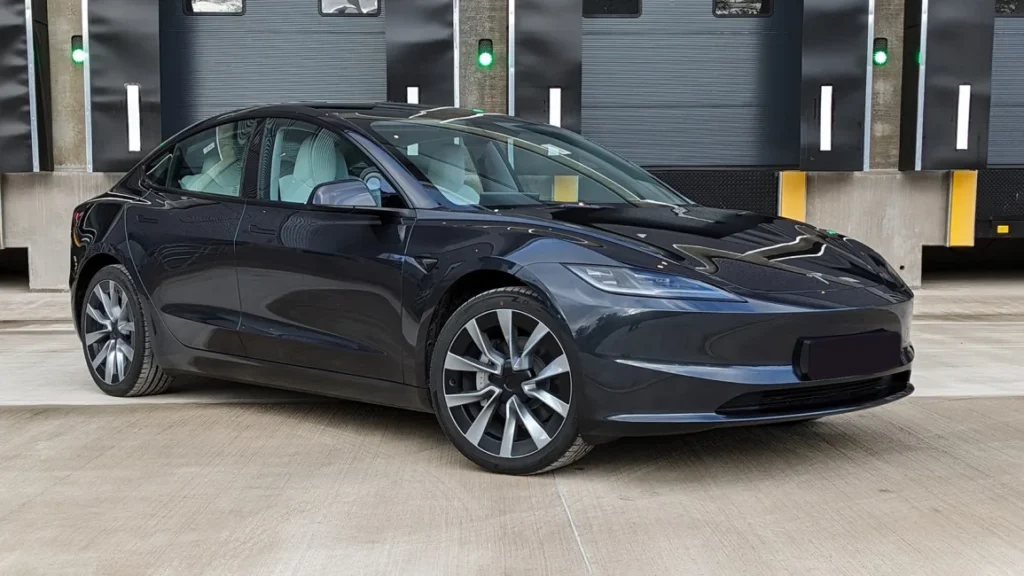
The Tesla Model 3 remains one of the most famous electric cars in the world. The model is distinguished by its high energy efficiency, modern design and excellent dynamic characteristics.
Main characteristics:
- Battery capacity: 65 kWh
- Range: up to 430 km
- Power: 258 hp
- Torque: 660 Nm
- Maximum speed: 225 km/h
- Acceleration 0–100 km/h: 5.6 seconds
Renault Zoe
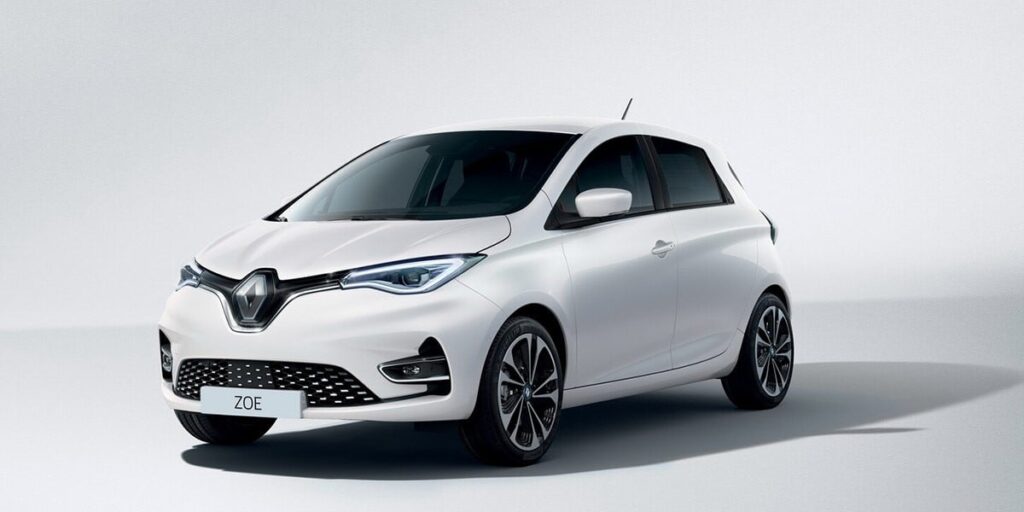
The Renault Zoe is one of the best compact electric cars for the city. Thanks to its small size, the car easily maneuvers in dense city traffic and provides comfortable movement.
Main characteristics:
- Battery capacity: 52 kWh
- Range: up to 395 km
- Power: 108 hp
- Torque: 225 Nm
- Maximum speed: 135 km/h
- Acceleration 0–100 km/h: 11.4 seconds
Nissan Leaf
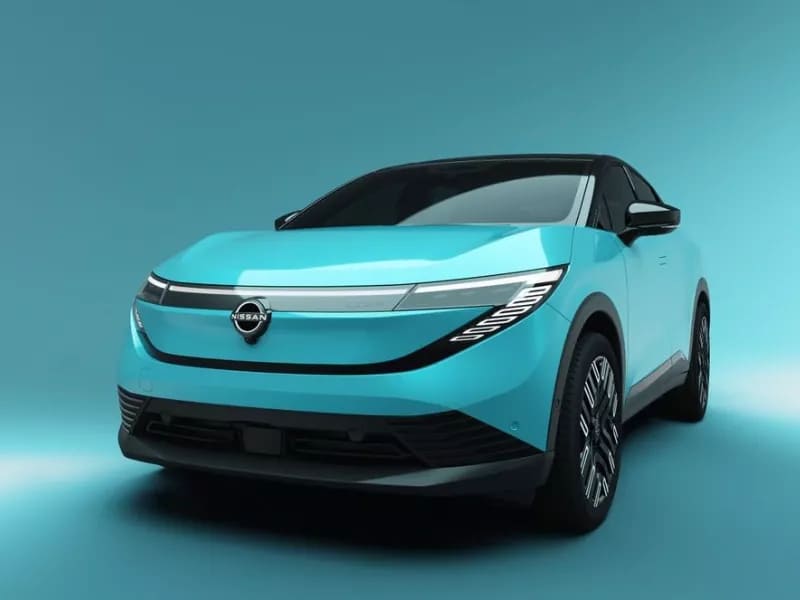
The Nissan Leaf is one of the most popular electric cars in the world. The hatchback features a modern design, practicality and affordability, making it a great choice for everyday use.
Main characteristics:
- Battery capacity: 62 kWh
- Range: up to 385 km
- Power: 150 hp
- Torque: 320 Nm
- Maximum speed: 157 km/h
- Acceleration 0–100 km/h: 7.3 seconds
Peugeot e-208
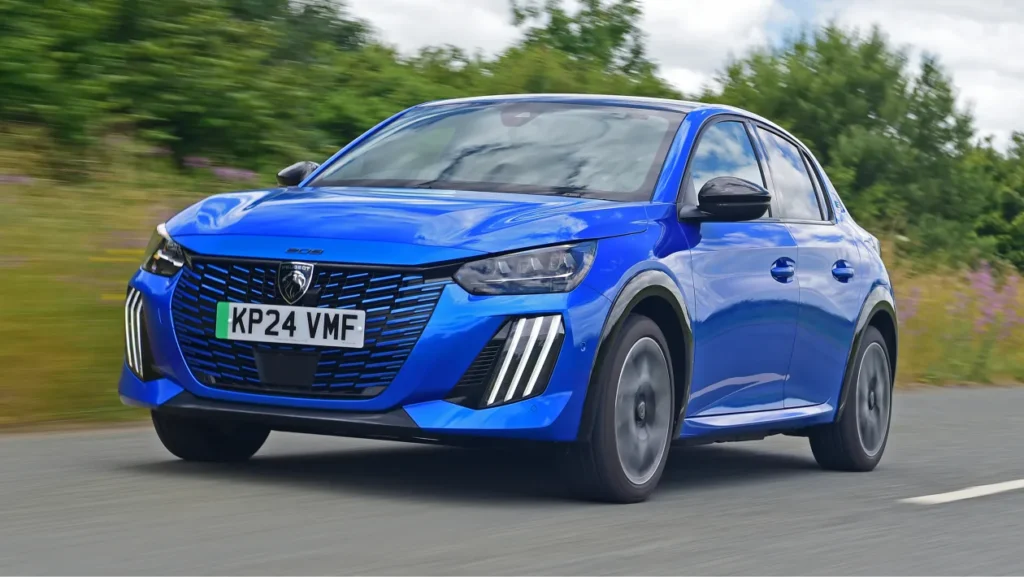
Peugeot e-208 is a modern compact electric car that combines stylish design, high safety and comfortable driving. Externally, the model is almost no different from the gasoline versions, but it is equipped with advanced electrical technologies. Many functions, including starting the car and controlling parameters, are available via a mobile application. The innovative 3D digital instrument panel attracts particular attention.
Main characteristics:
- Battery capacity: 50 kWh
- Range: up to 340 km
- Engine power: 135 hp (100 kW)
- Torque: 260 Nm
- Maximum speed: 150 km/h
- Acceleration 0–100 km/h: 8.1 seconds
Volvo XC40 Recharge
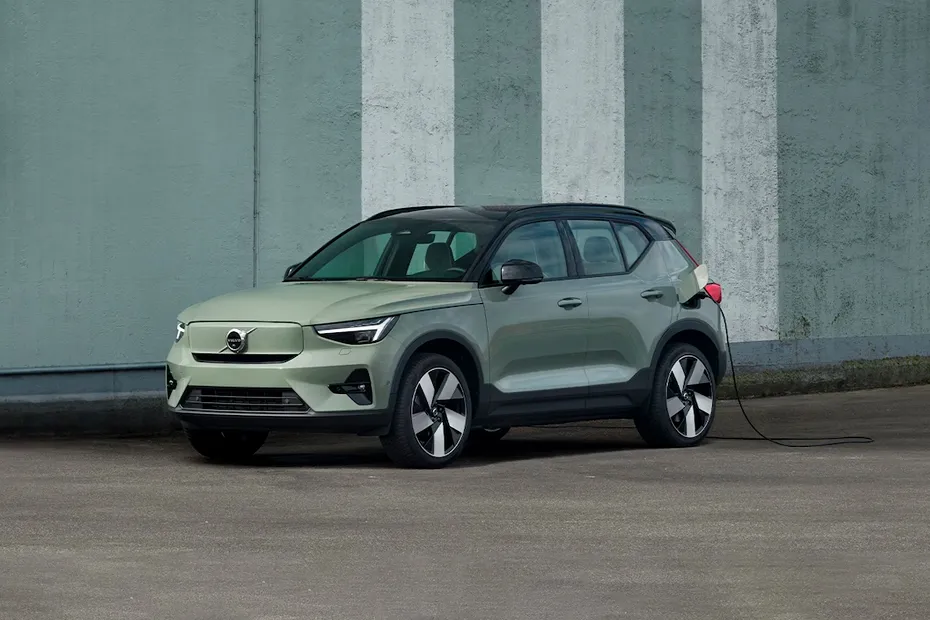
The Volvo XC40 Recharge is one of the most powerful electric crossovers on the market. All-wheel drive is provided by two electric motors mounted on the front and rear axles. The car demonstrates excellent dynamics, high levels of safety and comfort traditionally associated with the Swedish brand.
Main characteristics:
- Battery capacity: 78 kWh
- Range: up to 425 km
- Engine power: 408 hp (300 kW)
- Maximum speed: 180 km/h
- Acceleration 0–100 km/h: 4.9 seconds
BMW iX3
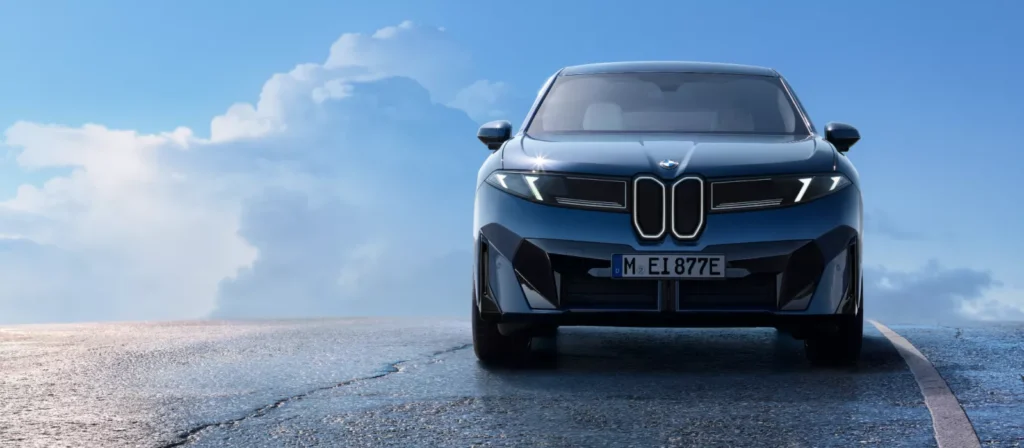
The BMW iX3 is an electric crossover based on the popular X3. The car inherits the brand’s signature design, comfortable interior and excellent driving performance. Thanks to its electric powertrain, the model combines environmental friendliness with BMW’s traditional dynamics.
Main characteristics:
- Battery capacity: 80 kWh
- Range: up to 440 km
- Engine power: 286 hp (210 kW)
- Maximum speed: 200 km/h
- Acceleration 0–100 km/h: 6.8 seconds
Mercedes-Benz EQC
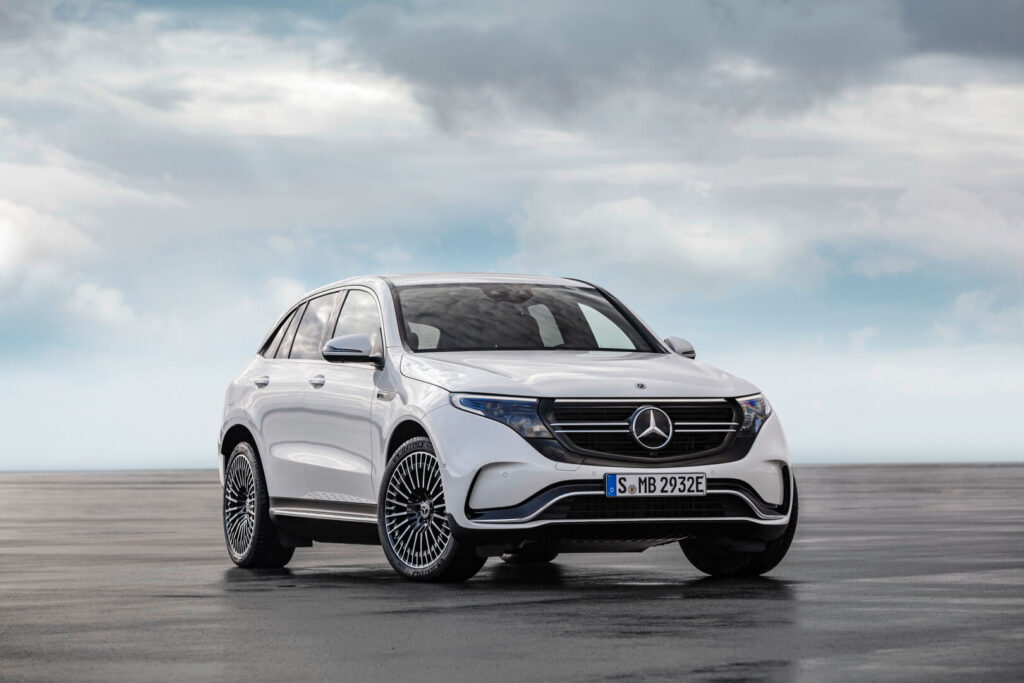
The Mercedes-Benz EQC is a premium electric crossover that offers a high level of comfort, power and modern technology. The updated version has an improved charging system, which significantly reduces the time it takes to recharge the battery. The car supports both three-phase charging and fast DC charging stations.
Main characteristics:
- Battery capacity: 85 kWh
- Range: up to 415 km
- Engine power: 408 hp (305 kW)
- Maximum speed: 180 km/h
- Acceleration 0–100 km/h: 5.1 seconds
Lexus RX 450h
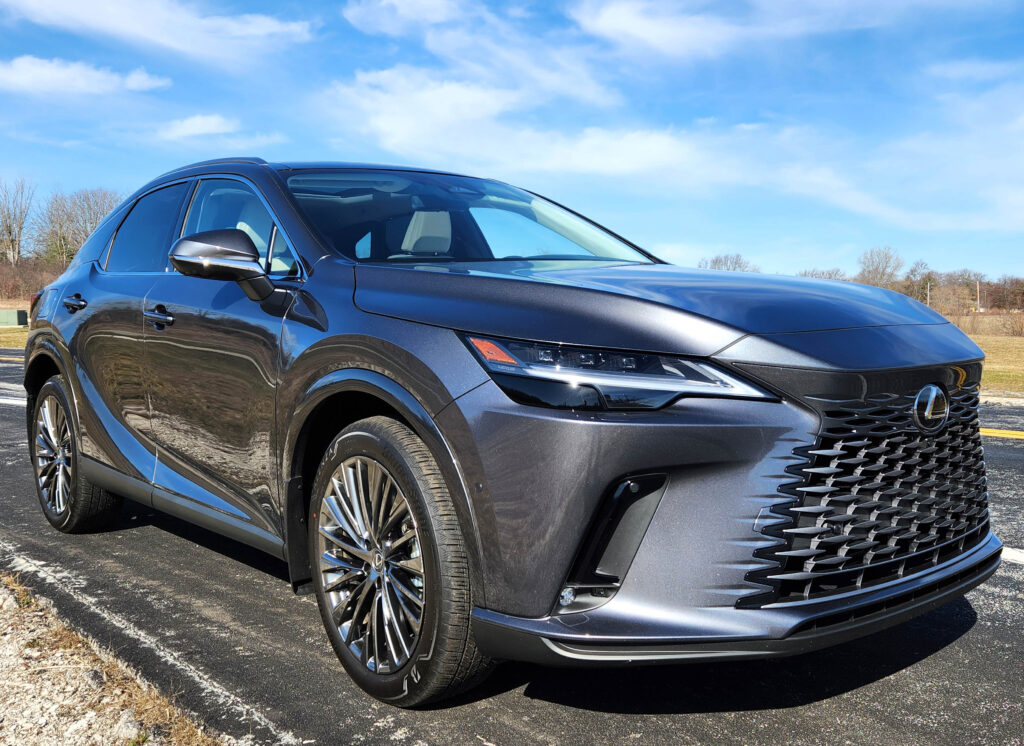
The Lexus RX 450h is a premium hybrid SUV that combines a 3.5-liter gasoline engine and three electric motors. Thanks to intelligent load distribution, the car provides low fuel consumption and smooth driving dynamics. The electric motors provide a quick start, and the transition between operating modes is almost imperceptible. The suspension is comfortable, and handling remains stable even at high speeds.
Main characteristics:
- Battery capacity: 18.4 kWh
- Range: up to 463 km
- Internal combustion engine power: 308 hp (230 kW)
- Total power of electric motors: 173 hp (129 kW)
- Maximum speed: 200 km/h
- Acceleration 0–100 km/h: 7.7 seconds
Hyundai Ioniq Hybrid
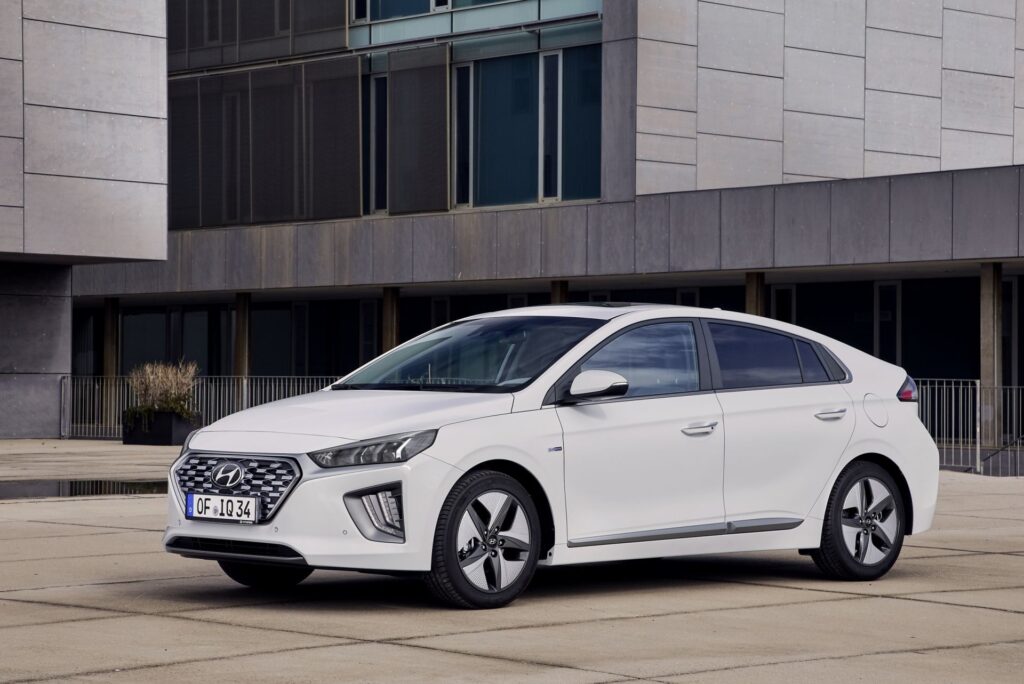
Hyundai Ioniq Hybrid is an economical front-wheel drive hybrid hatchback that is distinguished by high build quality, modern design and low fuel consumption. The control system automatically adapts the operating mode of the engine and electric motor to achieve maximum efficiency. The car is equipped with modern safety systems, including blind spot monitoring, adaptive cruise control and emergency braking system.
Main characteristics:
- Battery capacity: 1.56 kWh
- Range: up to 463 km
- Internal combustion engine power: 105 hp
- Total electric motor power: 43.5 hp (32 kW)
- Maximum speed: 185 km/h
- Acceleration 0–100 km/h: 9.6 seconds
Prices for electric cars and hybrids in 2026 (table)
Below are current indicative prices for popular electric vehicles and hybrids on the market.
| Car model | Estimated price |
|---|---|
| Volkswagen ID.3 | ~€33 000 |
| Hyundai Kona Electric | ~€42 000 |
| Nissan Ariya | ~€40 000 |
| Audi e-tron | ~€105 000 |
| Tesla Model 3 | ~€62 000 |
| Renault Zoe | ~€36 000 |
| Nissan Leaf | ~€37 000 |
| Peugeot e-208 | ~€35 000 |
| Volvo XC40 Recharge | ~€77 000 |
| BMW iX3 | ~€63 000 |
| Mercedes-Benz EQC | ~€76 000 |
| Jaguar I-Pace | ~€70 000 |
| Porsche Taycan | ~€172 000 |
| Lexus RX 450h Hybrid | ~€64 000 |
| Hyundai Ioniq Hybrid | ~€17 000 |
How to choose an electric car in 2026
The choice of electric vehicle depends on the individual needs of the driver. For daily city trips, commuting and shopping, compact models such as the Nissan Leaf or Peugeot e-208 are sufficient.
For long trips, more powerful electric crossovers, such as the Audi e-tron or Jaguar I-Pace, are better suited, as they have a greater range and comfort on the highway.
An important factor is charging infrastructure
One of the main problems with electric vehicles remains charging, especially in conditions of underdeveloped infrastructure.
- The number of charging stations in some regions remains limited
- Charging from a regular outlet takes 8–10 hours
- The home charging station requires a connection to a three-phase network
- Not all residential buildings or garages support this connection.
The best option remains the presence of charging stations in shopping malls, business centers, or private parking lots, where they increasingly provide the opportunity to charge electric vehicles for free.
Which is better: an electric car or a hybrid?
The modern automotive industry is undergoing a phase of active transformation, gradually moving from internal combustion engines to electrified technologies. More and more drivers are choosing electric cars and hybrids, but each type has its own characteristics.
Advantages of hybrids
Hybrid cars combine a gasoline engine and an electric motor, which allows:
- automatically switch between operating modes
- save fuel in city traffic jams
- work effectively in cold climates
- provide greater overall range
Such cars are especially convenient for long trips outside the city, where there is no charging infrastructure.
Advantages of electric vehicles
Electric vehicles have a number of strengths:
- range of modern models up to 600 km
- no harmful emissions
- lower maintenance costs
- faster acceleration compared to hybrids
- tax and parking discounts (in some countries)
Hybrids usually have an electric range of about 150–200 km, but do not require a mandatory charging infrastructure.
Conclusion
In the coming years, electric vehicles will gradually replace hybrids due to the development of charging stations, the reduction in the cost of batteries, and the expansion of the model range.
Hybrids will remain an interim solution for those who are not ready to fully switch to electric propulsion or who often travel long distances.