At some point, all manufacturers introduced a common standard for the diagnostic connector in the production of their cars – OBD 2. Thus, if cars have one diagnostic connector, then the OBD 2 error codes of the car will be the same. For example, for brands of the VAG group ( Volkswagen , Audi , SEAT , Skoda, etc.), Renault , Nissan , Mercedes , Toyota , Opel , Mitsubishi, etc. Reading car errors is given below in the article.
Decoding error codes in the OBD 2 system
Decoding of fault codes (so-called error codes or DTC errors – Diagnostic Trouble Codes) depends on the OBD-II (On-Board Diagnostics II) standard, which is used to diagnose and monitor various systems in cars. OBD 2 error codes consist of the following characters:
- The first letter indicates the fault block:
- B — body;
- C — suspension (chassis);
- P — engine or automatic transmission;
- U — interactions between electronic blocks.
- The second character is a number that indicates the type of code:
- 0 — SAE (standard);
- 1, 2 — OEM (factory);
- 3 — reserve.
- The third character is a number that indicates the system where the fault occurred:
- 1, 2 — fuel system;
- 3 — ignition system;
- 4 — reduction of exhaust gas toxicity;
- 5 — idle speed;
- 6 — circuits of the electrical control unit or the ECU system as a whole;
- 7, 8 — transmission.
- The fourth and fifth characters are numbers indicating the serial number of the error.
DTC fault code table
The OBD-II system uses standard trouble codes known as P-codes (Powertrain Diagnostic Trouble Codes) that pertain to the engine management system. Here are some examples of P-codes and OBD error codes:
Trouble Code P0101: Mass Air Flow – Incorrect Signal
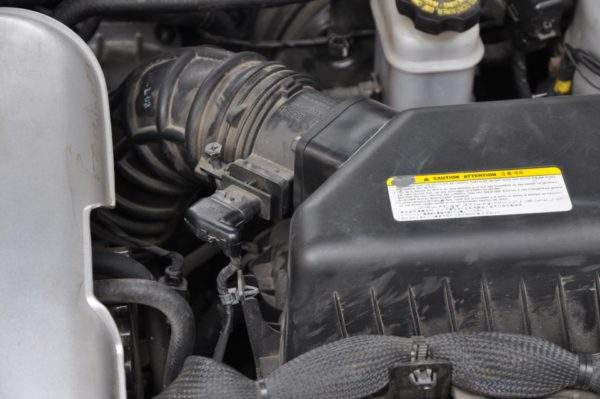
This trouble code indicates a problem with the Mass Air Flow (MAF) sensor, which measures the amount of air passing through the vehicle’s intake system.
When the engine management system detects an incorrect signal from the MAF sensor, the P0101 error code is issued. Some possible causes of this error may include:
- MAF sensor contamination: Dust, oil, or other contaminants can accumulate on the MAF sensor, causing an incorrect signal.
- Improperly connected or damaged wires: Damaged or improperly connected wires, connections, or connectors associated with the MAF sensor can cause an incorrect signal.
- Malfunction of the MAF sensor itself: The MAF sensor may have internal problems or be damaged, resulting in incorrect measurements.
- Intake System Problems: An improperly installed or faulty air filter, air leakage, or other intake system problems can affect the operation of the MAF sensor and cause a P0101 error.
Solution : To accurately diagnose and fix the problem, it is recommended to contact a professional auto mechanic or service center. They will be able to diagnose and perform the necessary repairs, such as cleaning the MAF sensor, checking the wiring, or replacing the sensor itself, if necessary.
Error code P0300: Random/Multiple Cylinder Misfire Detected
This code indicates a problem when the engine control system detects that random or multiple misfires are occurring in the engine cylinders.
The causes of error P0300 can be various, including:
- Insufficient fuel mixture: An incorrect air-fuel ratio in the cylinders can lead to uneven combustion and misfires.
- Ignition system problems: Ignition system problems, such as damaged spark plugs, wires, ignition coils, or sensors, can cause misfires.
- Intake or exhaust system problems: Leaks in the intake manifold, exhaust manifold, or exhaust system can affect normal combustion and cause misfires.
- Sensor Problems: Faulty sensors, such as the crankshaft position sensor or camshaft position sensor, can cause the P0300 error.
- Other possible causes: Low fuel pressure, a clogged fuel filter, problems with the vacuum system, or even mechanical problems in the engine can cause misfires.
Solution : diagnostics, checking the ignition system, intake and exhaust systems, as well as the necessary sensors and components, to find and eliminate the cause of misfires.
Error code P0420: Catalyst System Efficiency Below Threshold Bank 1
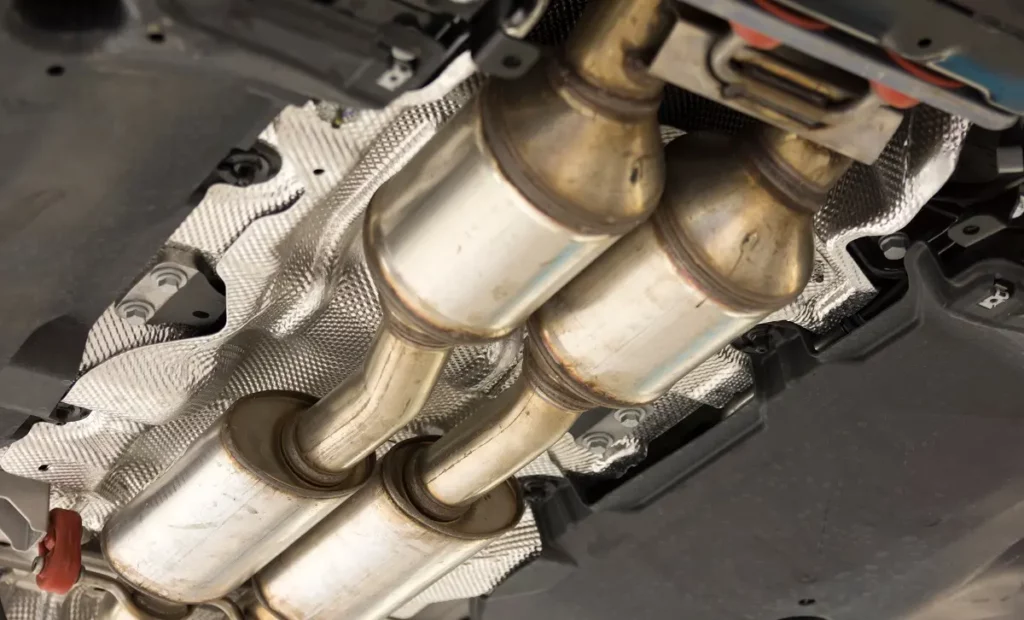
This code indicates a problem with the catalytic converter, which is responsible for reducing emissions of harmful substances in exhaust gases. Some of the possible causes of error P0420 may include:
- Catalyst wear or damage: The catalyst can wear out over time or become damaged, leading to a decrease in its efficiency.
- Intake or exhaust system problems: A leak in the intake manifold, exhaust manifold, or other problems in the intake and exhaust system can affect the operation of the catalytic converter and cause this error.
- Sensor malfunction: Faulty oxygen sensors (O2 sensors) or exhaust gas pressure sensors can give incorrect data, leading to error P0420.
- Fuel system problems: Injector malfunctions or other fuel system problems can affect the operation of the catalytic converter.
Solution : Check the condition of the catalytic converter, intake and exhaust systems, oxygen sensors, and other components to find and eliminate the cause of the error. Sometimes, replacing the catalytic converter or other components may be necessary to correct the problem.
Trouble Code P0171: Lean Air-Fuel Mixture, Bank 1
This code indicates a problem with the fuel-air mixture in the engine cylinders, where the mixture becomes too lean (contains less fuel than required for normal combustion).
Some of the possible causes of error P0171 may include:
- Air leakage in the intake system: The presence of leaks, cracks, or gasket problems in the intake system (e.g., intake manifold, vacuum hoses) can cause additional air to enter the cylinders and make the fuel mixture lean.
- Faulty oxygen sensors (O2 sensors): Malfunctioning oxygen sensors, which monitor the oxygen content in the exhaust gases, can lead to incorrect signals that affect the fuel-air mixture.
- Clogged injectors: Clogged or malfunctioning injectors can cause uneven fuel delivery to the cylinders, which can cause the mixture to be too lean.
- Low fuel pressure: Problems with the fuel pump, clogged fuel filter, or problems with the fuel delivery system can lead to insufficient fuel pressure and a lean mixture.
- Ignition system faults: Faults in spark plugs, ignition coils, or other ignition system components can affect the combustion of the mixture and cause error P0171.
Solution : Check the intake system, oxygen sensors, injectors, fuel delivery system, and ignition system.
Error code P0442: Small fuel vapor leak (Evaporative Emission Control System Leak)
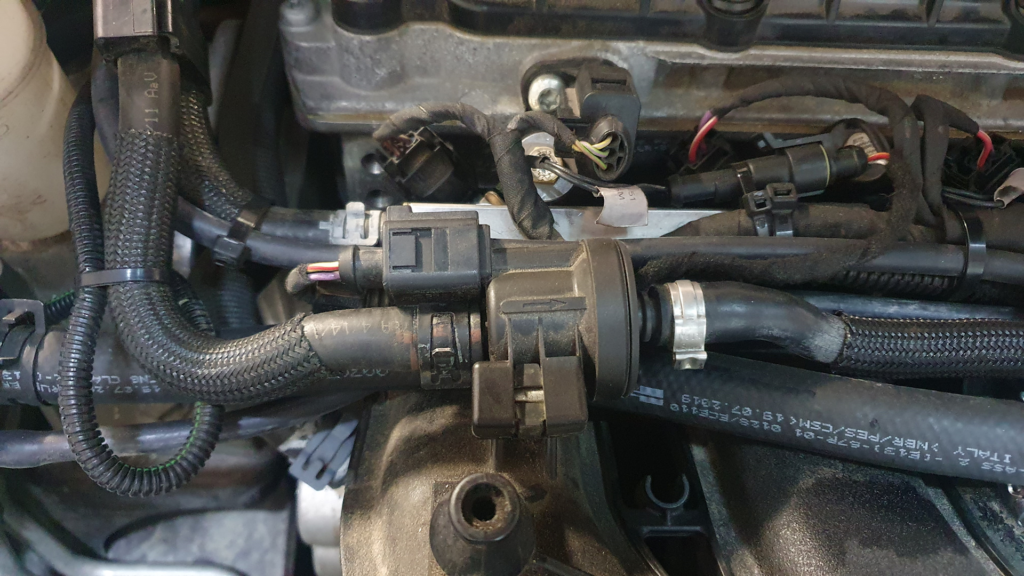
This code indicates a problem with the vehicle’s evaporative control system, which is responsible for capturing and recycling fuel vapors.
Some of the possible causes of error P0442 may include:
- Faulty fuel cap: If the fuel cap is not closed tightly or is damaged, it can lead to fuel vapor leakage and error P0442.
- Damage or cracks in the fuel vapor system: The presence of damage, cracks, or loose connections in the fuel vapor system, including fuel lines, valves, and the carbon filter, can cause fuel vapor to leak and cause an error.
- Fuel Vapor Pressure Sensor Malfunction: A malfunction in the fuel vapor pressure sensor, which monitors the pressure level in the fuel vapor system, can cause error P0442.
- Carbon filter contamination: If the carbon filter, which is responsible for capturing fuel vapors, is clogged or overloaded, it can cause vapor leaks and errors.
- Damage or Leak in the Fuel Tank or Its Components: Damage to the fuel tank, fuel lines, or other components of the fuel storage system can cause vapor leakage and a P0442 error.
Solution : Diagnose the evaporative control system, check the fuel cap, fuel vapor system, sensors and components. Damaged evaporative control system components may need to be replaced or repaired.
Error code P0505: Low idle speed (Idle Control System Malfunction)
This code indicates a problem with the system responsible for regulating engine idle speed.
Some of the possible causes of error P0505 may include:
- Faulty Idle Air Control (IAC) Valve: The IAC (Idle Air Control) valve controls the amount of air supplied during idling. If the IAC valve is not working properly, it can cause the P0505 error.
- IAC valve clogged or damaged: Carbon buildup or damage to the IAC valve can cause it to malfunction and misfire.
- Throttle Position Sensor (TPS) Malfunction: A malfunction in the throttle position sensor, which tells the control system the position of the throttle, can cause this error.
- Wiring or electrical connection problems: Damaged wires or improper electrical connections related to the idle control system can cause this error.
- Engine Control Module (ECM) Problems: A malfunction in the engine control module, which is responsible for controlling the operation of the idle control system, can also cause a P0505 error.
Solution : Diagnose the idle control system, check the IAC valve, throttle position sensor, wiring, and the motor control module. You may need to clean or replace the IAC valve, repair the wiring, or replace the TPS sensor.
Error code P0562: Supply voltage below normal (System Voltage Low)
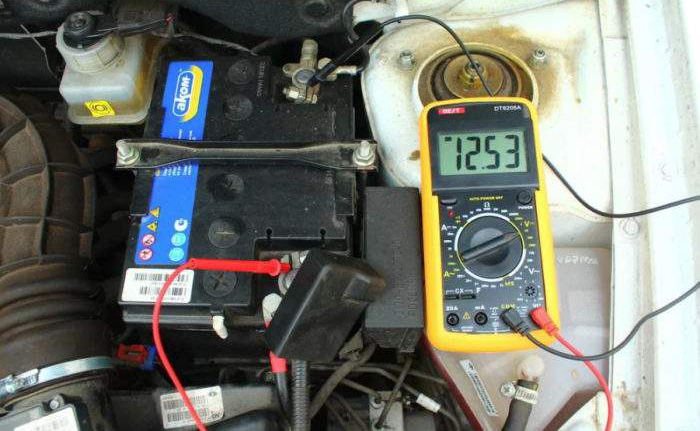
This code indicates a problem with the voltage in the vehicle’s power system.
Some of the possible causes of error P0562 may include:
- Weak or discharged battery: If the car battery has a low charge or is having problems with its operation, this can cause the P0562 error.
- Improperly installed battery terminals: Poor connection or improperly installed battery terminals can lead to poor contact and low voltage in the power system.
- Damaged or oxidized wires: Damaged or oxidized wires associated with the power system can cause low voltage on the circuit and error P0562.
- Generator problems: A malfunction in the generator, which is responsible for charging the battery and providing power to the car’s electrical devices, can cause an error.
- Engine Control Module (ECM) Malfunction: May cause error P0562.
Solution : Diagnose the power system, check the condition of the battery, terminals, wires, generator, and engine control module. You may need to replace the battery, repair the wiring, or replace the generator to correct the problem.
Error code P0700: Transmission Control System Malfunction
This code indicates a problem with the vehicle’s transmission control system.
Code P0700 is a generic code that indicates the presence of other more detailed fault codes in the transmission control system. It acts as an additional code to alert the driver or technician that there is a problem with the transmission control system and further diagnostics are required.
To determine the specific cause of the P0700 error and troubleshoot the problem, it is necessary to perform diagnostics on the transmission control system using diagnostic equipment, special scanners, and check for subcodes associated with P0700. These subcodes can provide additional information about specific problems in the transmission system, such as sensors, valves, electrical components, etc.
Solution : diagnostics, component and wiring inspection to find and eliminate the cause of the problem in the transmission control system.
Error code P1135: Heated Oxygen Sensor Heater Circuit Bank 1 Sensor 1 Insufficient Activity
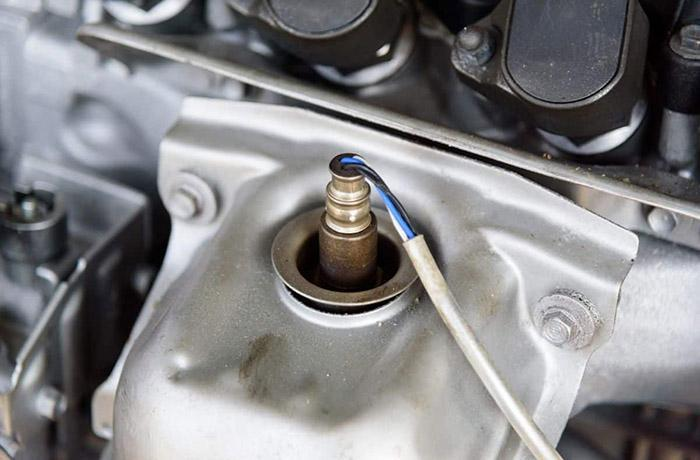
This code indicates a problem with the oxygen sensor heater, which is responsible for ensuring the sensor quickly warms up to operating temperature. The oxygen sensor measures the oxygen content in the exhaust gases and helps the engine management system adjust the fuel-air mixture for optimal performance.
Some of the possible causes of error P1135 may include:
- Damaged or faulty oxygen sensor heater: The oxygen sensor heater may be damaged or faulty, resulting in insufficient activity and a P1135 error.
- Poor electrical connection or open wire: A poor connection or open wire associated with the oxygen sensor heater can cause an error.
- Faulty oxygen sensor: In some cases, the oxygen sensor itself may be faulty or require replacement.
- Engine Control Module (ECM) Problems: A malfunction in the engine control module that controls the oxygen sensor heater can cause a P1135 error.
Solution : Diagnose the intake system and engine management system, check the oxygen sensor heater, electrical connections and engine control unit. It may be necessary to replace the oxygen sensor heater or the oxygen sensor itself.
When interpreting a fault code, it is important to consider the specific code, the vehicle manufacturer and model, as well as the context and symptoms of the problem. It is recommended to consult your vehicle’s owner’s manual or contact a professional auto mechanic or repair shop for more accurate information on specific fault codes.
Decoding VAG protocol error codes
VAG (Volkswagen Aktiengesellschaft) is a German automobile concern that includes brands such as Volkswagen, Audi, SEAT, Škoda, and others. VAG error codes, also known as OBD-II error codes for cars of this concern, can be deciphered using a table of error codes specific to the VAG protocol.
Below are examples of some VAG error codes and their possible meanings:
- P0010 – “A” camshaft position, phase actuator – system insufficient efficiency.
- P0100 — Mass air flow sensor — circuit malfunction.
- P0171 – Fuel mixture too lean (bank 1).
- P0420 – Catalytic converter, bank 1 – insufficient efficiency.
- P0442 — Small leak in the fuel vapor purification system.
However, to fully decipher a specific error code and understand its meaning, it is recommended to refer to official sources, such as repair and diagnostic manuals specific to a particular car brand and model, or to use specialized diagnostic tools that provide detailed information about VAG error codes.
Decoding Renault error codes
Renault OBD2 error codes can be decoded using a manufacturer-specific error code table. Below are examples of some error codes for Renault vehicles:
- P0100 — Mass Air Flow (MAF) Sensor — Circuit Malfunction.
- P0300 — Misfire detected.
- P0400 — Exhaust Gas Recirculation (EGR) — Circuit Malfunction.
- P0420 – Catalytic converter, bank 1 – insufficient efficiency.
- P0500 — Vehicle Speed Sensor (VSS) — Circuit Malfunction.
However, it is important to note that the decoding of a specific error code may depend on the model and year of the Renault vehicle. For a complete decoding and understanding of the meaning of a specific error code, it is recommended to refer to official sources, such as repair and diagnostic manuals specific to your Renault model, or to use specialized diagnostic tools that provide detailed information about Renault error codes.
Decoding Nissan error codes
In the OBD-II system used in Nissan vehicles, obd2 error codes can be decoded using a manufacturer-specific error code table. Below are examples of some error codes for Nissan vehicles:
- P0100 — Mass Air Flow (MAF) Sensor — Circuit Malfunction.
- P0300 — Misfire detected.
- P0400 — Exhaust Gas Recirculation (EGR) — Circuit Malfunction.
- P0420 – Catalytic converter, bank 1 – insufficient efficiency.
- P0500 — Vehicle Speed Sensor (VSS) — Circuit Malfunction.
However, it is important to note that the decoding of a specific error code may vary depending on the model and year of the Nissan vehicle. To fully decode and understand the meaning of a specific error code, it is recommended to refer to official sources, such as repair and diagnostic manuals specific to your Nissan model, or to use specialized diagnostic tools that provide detailed information on Nissan error codes. You can also contact an authorized Nissan service center for additional assistance and diagnostics.
Decoding Mercedes error codes
In the OBD-II system used in Mercedes-Benz vehicles, vehicle error codes can be decoded using the same error code table as other brands. However, the decoding of a specific error code may depend on the model and year of the Mercedes-Benz vehicle.
Engine errors
Engine errors indicate possible problems or malfunctions in the engine. When the ECU detects something abnormal, it stores an error code that can be read using a diagnostic scanner.
Some of the most common error codes may include:
- P0300 — Random Misfires: May be related to problems in the ignition system.
- P0171 and P0174 — Air/Fuel System Too Lean: May indicate problems with the air/fuel mixture.
- P0420 – Low Catalyst Efficiency: May indicate problems with the catalyst or related components.
- P0442 – Small Fuel Vapor Leak: Associated with problems in the fuel vapor system.
- P0505 — High Idle Speed: May indicate problems with the idle valve.
- P0116 — Coolant Temperature Sensor High Resistance: There may be a problem with the temperature sensor.
- P0562 — Battery Voltage Below Normal: Indicates a problem with the electrical system.
- P0401 — Exhaust Gas Recirculation (EGR) System Low Efficiency: There may be problems with the EGR valve or its system.
If you have a Check Engine light on or another symptom of a problem, it is recommended that you contact a mechanic or use a diagnostic scanner to determine the specific error code and identify the cause of the problem.