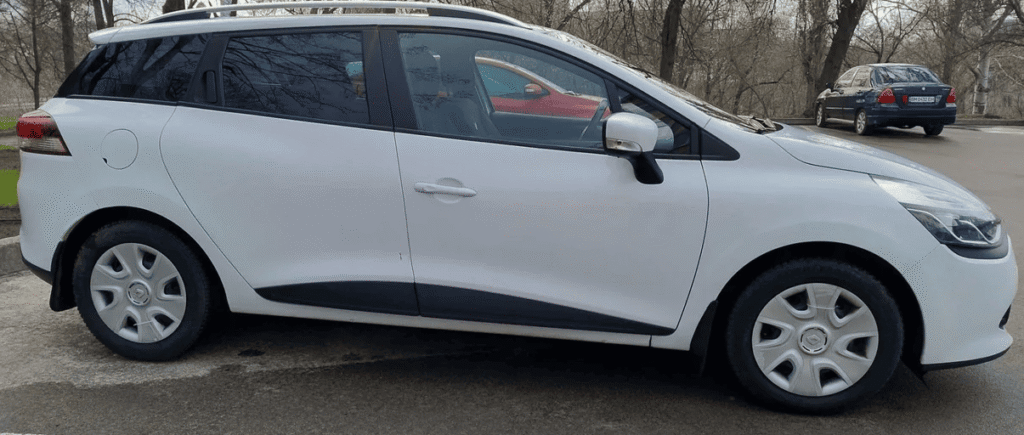
The Renault Clio IV and Clio V are popular compact cars known for fuel efficiency and low running costs. However, like any vehicle, they have several known weak points that appear across different engines and generations.
This guide covers the most common issues found in the Renault Clio IV & V, including petrol and diesel versions.
1. 1.5 dCi Engine Problems (Diesel)
The 1.5 dCi (K9K engine) is widely used and generally reliable, but it has known issues at higher mileage.
Common symptoms:
- Loss of power
- Hard starting
- Excess smoke from exhaust
- Engine warning light
Common causes:
- Clogged EGR valve
- Injector wear
- Turbocharger wear
- Fuel filter blockage
Fix:
- Clean or replace EGR valve
- Injector testing and calibration
- Turbo inspection at high mileage
2. Turbocharger Problems (TCe Engines)
Turbocharged petrol engines like 0.9 TCe and 1.3 TCe can develop issues.
Symptoms:
- Slow acceleration
- Whistling noise
- Check engine light
- Limp mode
Causes:
- Oil starvation
- Worn turbo bearings
- Boost leak in intercooler pipes
3. EGR Valve Issues (Diesel Engines)
EGR clogging is one of the most common diesel problems.
Symptoms:
- Rough idle
- Poor fuel economy
- Engine hesitation
Fix:
- EGR cleaning
- Replacement if heavily clogged
4. Automatic Gearbox (EDC) Problems
The EDC dual-clutch gearbox can show issues in city driving.
Symptoms:
- Jerky gear shifts
- Delayed acceleration
- Gearbox warning message
Causes:
- Clutch wear
- Mechatronic unit failure
- Software calibration issues
5. Electrical Problems
Electrical faults are common in Clio IV and V.
Symptoms:
- Random warning lights
- Start-stop system failure
- Central locking issues
Common causes:
- Weak battery
- Faulty alternator
- Ground connection issues
6. Battery Drain Problems
Battery drain is a frequent complaint, especially in Clio V.
Symptoms:
- Car not starting after few days
- Weak dashboard lights
- Electrical malfunctions
Causes:
- Faulty control modules
- Parasitic current draw
- Faulty infotainment system
7. Timing Belt / Chain Issues
Depending on engine type, Clio uses belt or chain systems.
Petrol engines:
- Some use timing chain (low maintenance)
Diesel 1.5 dCi:
- Timing belt system
Risks:
- Belt wear if not replaced on time
- Engine damage if belt breaks
8. Suspension Noise
Clio models often develop suspension noises over time.
Symptoms:
- Knocking sound over bumps
- Poor ride comfort
Causes:
- Stabilizer links wear
- Shock absorber aging
- Control arm bushings
9. ABS / ESP Faults
Electronic stability systems can trigger warning lights.
Symptoms:
- ABS light on dashboard
- ESP malfunction message
Causes:
- Wheel speed sensor failure
- Damaged wiring near hubs
10. Fuel System Issues
Some Clio engines may develop fuel system faults.
Symptoms:
- Hard starting
- Rough engine running
- Loss of power
Causes:
- Fuel pump wear
- Dirty fuel injectors
- Clogged fuel filter
Most Reliable Renault Clio Engines
- 1.5 dCi (well maintained units)
- 1.3 TCe (modern petrol engine)
- 1.0 SCe (simple naturally aspirated engine)
Most Problematic Areas (SEO Insight)
From user reports and workshop data, the most common weak points are:
- EGR system (diesel)
- Turbo system (TCe engines)
- Electrical system (battery/ECU)
- EDC gearbox (automatic versions)
How to Prevent Problems
- Regular oil changes (10,000–15,000 km)
- Use high-quality fuel and oil
- Clean EGR system periodically
- Replace filters on schedule
- Monitor battery health
Conclusion
The Renault Clio IV and V are generally reliable cars, but they have known issues mainly related to EGR systems, turbochargers, electrical systems, and automatic transmissions. Proper maintenance significantly reduces the risk of major failures and extends vehicle lifespan.