The AdBlue system is a critical part of modern Mercedes-Benz Actros trucks. It helps reduce harmful nitrogen oxide (NOx) emissions and ensures compliance with Euro 5 and Euro 6 regulations. However, AdBlue-related faults are among the most common issues reported by Actros owners and fleet operators.
This guide explains the most frequent Mercedes-Benz Actros AdBlue problems, their causes, warning signs, and possible solutions.
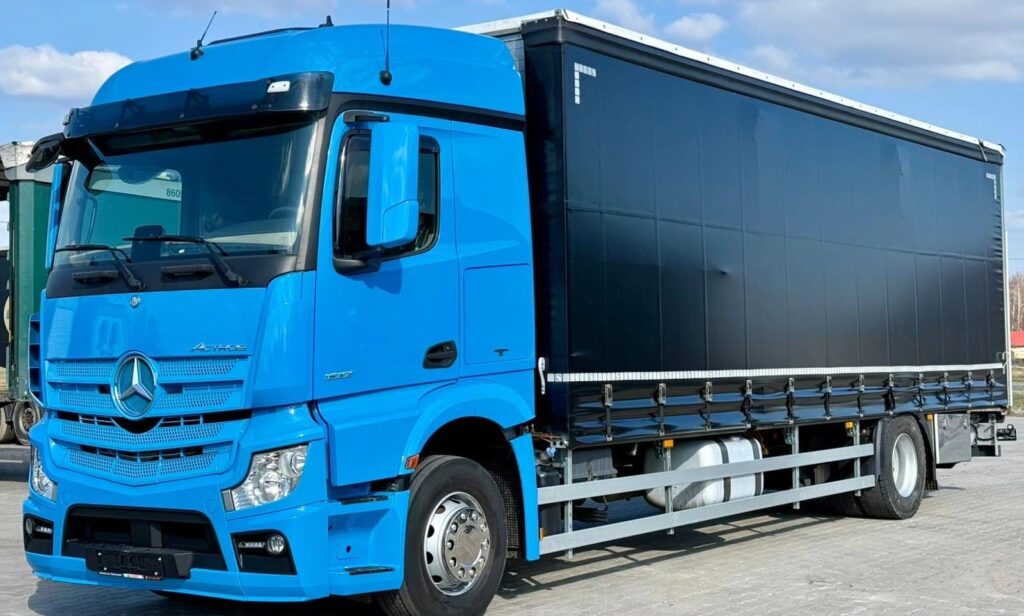
What Is the AdBlue System?
AdBlue is a diesel exhaust fluid (DEF) made from purified water and urea. It is injected into the exhaust system where it reacts inside the Selective Catalytic Reduction (SCR) catalyst to reduce harmful emissions.
Main components include:
- AdBlue tank
- AdBlue pump module
- AdBlue injector
- SCR catalyst
- NOx sensors
- Temperature sensors
- Engine control unit (ECU)
If any component fails, the truck may enter a restricted operating mode.
Common Mercedes-Benz Actros AdBlue Problems
1. AdBlue Warning Light Stays On
One of the most common complaints is an AdBlue warning that remains active even after refilling the tank.
Possible causes:
- Faulty AdBlue level sensor
- Defective tank module
- Wiring issues
- Software communication errors
Symptoms:
- AdBlue warning message
- Incorrect fluid level displayed
- Warning remains after refill
2. Engine Start Countdown
Modern Actros trucks may display a warning such as:
“Engine start not possible in XXX km”
This is usually triggered when the SCR system detects a fault.
Common causes:
- NOx sensor failure
- SCR efficiency fault
- AdBlue injector malfunction
- Empty AdBlue tank
If not repaired, the engine may refuse to restart after the countdown reaches zero.
3. NOx Sensor Failure
NOx sensors are among the most frequently replaced SCR components.
Symptoms:
- Check Engine light
- AdBlue warning
- Increased fuel consumption
- Emission-related fault codes
Common fault codes:
- NOx sensor circuit malfunction
- SCR efficiency below threshold
4. Crystallized AdBlue Injector
AdBlue can crystallize over time, especially when the truck operates in cold climates or performs many short trips.
Symptoms:
- Reduced SCR efficiency
- White crystal deposits around injector
- AdBlue consumption abnormalities
Solutions:
- Clean injector
- Replace injector if damaged
- Check dosing module operation
5. AdBlue Pump Failure
The AdBlue pump delivers fluid from the tank to the injector.
Typical symptoms:
- Low AdBlue pressure
- Engine warning lights
- SCR system faults
- Engine derating
Pump failure is more common on high-mileage trucks.
6. Frozen AdBlue System
AdBlue freezes at approximately -11°C (12°F).
Although the system includes heaters, failures can occur.
Symptoms:
- Winter-only warning messages
- SCR system unavailable
- Temporary fault codes
Common causes:
- Failed tank heater
- Heater control module fault
- Damaged wiring
7. SCR Catalyst Problems
The SCR catalyst itself can become contaminated or damaged.
Symptoms:
- Persistent NOx faults
- Failed emissions tests
- Engine power reduction
Repair costs can be significant because catalyst replacement is expensive.
Mercedes-Benz Actros AdBlue Fault Codes
Common diagnostic trouble codes include:
- P20E8 – Reductant pressure too low
- P204F – Reductant system performance
- P2200 – NOx sensor circuit
- P229F – NOx sensor out of range
- P208A – Reductant pump control fault
Always confirm codes using a professional diagnostic tool before replacing components.
Why Does the Truck Enter Limp Mode?
The Actros ECU continuously monitors emissions performance.
When serious SCR faults are detected, the system may:
- Reduce engine power
- Limit vehicle speed
- Display countdown warnings
- Prevent future engine starts
This behavior is required by emissions regulations.
How to Prevent AdBlue Problems
Follow these maintenance practices:
Use High-Quality AdBlue
Always use ISO 22241 certified AdBlue fluid.
Avoid Contamination
Never mix diesel fuel, water, or other liquids with AdBlue.
Keep the Tank Clean
Contaminated AdBlue can damage sensors and pumps.
Repair Faults Quickly
Ignoring warnings often causes more expensive failures.
Perform Regular Diagnostics
Fleet operators should scan fault codes during routine servicing.
Estimated Repair Costs
| Component | Typical Cost Range |
|---|---|
| NOx Sensor | €250–€700 |
| AdBlue Injector | €150–€400 |
| AdBlue Pump | €500–€1,500 |
| Tank Module | €500–€2,000 |
| SCR Catalyst | €2,000–€6,000+ |
Costs vary depending on model year and region.
Frequently Asked Questions
Can I drive with an AdBlue warning?
Usually yes, but the truck may eventually enter power-reduction mode or display a no-start countdown.
Why does my Actros say “No engine start”?
The SCR system has detected a serious emissions fault that requires repair.
Does low-quality AdBlue damage the system?
Yes. Contaminated or poor-quality AdBlue can damage injectors, pumps, and sensors.
How long do NOx sensors last?
Many NOx sensors last between 300,000 and 700,000 km, depending on operating conditions.
Conclusion
Mercedes-Benz Actros AdBlue problems are among the most common emissions-related issues in modern heavy-duty trucks. NOx sensor failures, injector blockages, pump faults, and SCR catalyst issues can all trigger warning messages, engine derating, and start restrictions. Early diagnosis and proper maintenance help prevent expensive repairs and keep the truck operating efficiently.